Did you know your cat’s paw-sture can tell you a lot about their mood? In this article, we go over the small signals cats use to com-meow-nicate their thoughts and feelings. Knowing how to interpret cats’ body language can help you better understand and interact with your feline friends, whether it’s your kitty at home or one of the rescues at Feline Good Café.
1. Slow Blinking
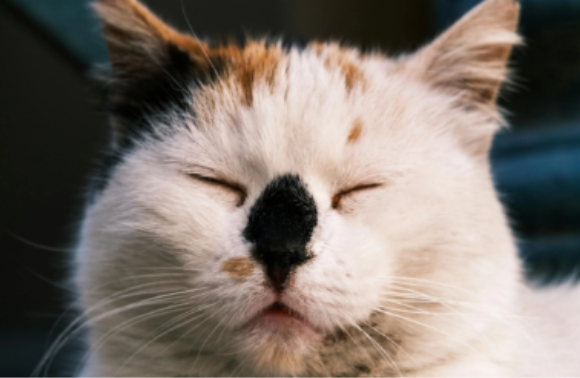
When your cat slowly blinks at you, it’s more than just a cute expression—it’s a powerful sign of trust and affection. Cats often use this gesture to communicate that they feel safe in your presence. You can even return the slow blink to show your cat that you trust them too. Over time, these little “cat kisses” help strengthen the bond between you and your feline friend.
2. Tail Held High
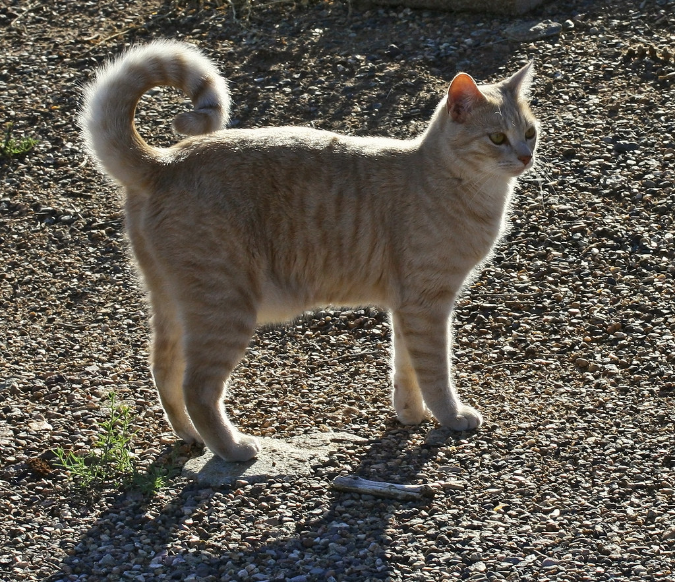
A cat walking around with its tail held straight up is usually a confident and happy cat. This body language signals that your cat is comfortable in their environment and often means they’re in a friendly mood. If your cat approaches you with their tail high, it’s a great invitation for interaction, whether that’s petting, playing, or simply sharing their presence.
3. Puffed-Up Tail and Arched Back
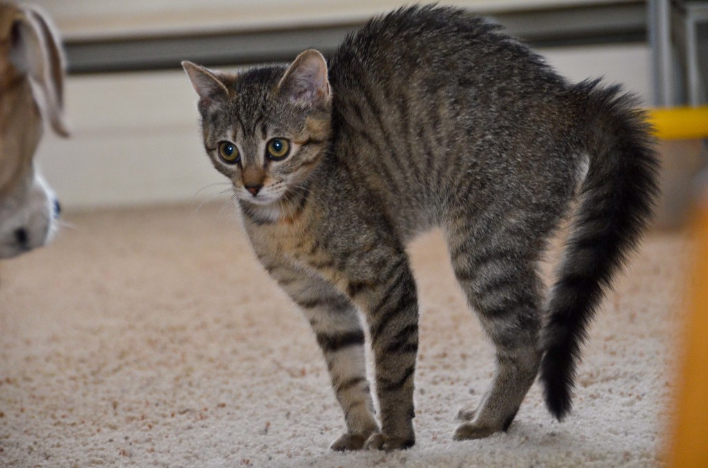
If your cat makes the stereotypical “Halloween cat” pose –featuring a puffed-up tail and arched back– this means your cat is feeling threatened and scared. Felines use this pose to make themselves look as big as possible in the face of a threat.
When a cat is displaying this behavior, it’s a good idea to leave them alone. The “Halloween cat” posture indicates that the cat is frightened and might attack if you get too close.
Kittens do this pose more often than adult cats because the world is still new and unfamiliar to them. You might see a kitten assume this posture when confronted with something they’ve never seen before, since they are unsure whether it is a threat.
4. Ears Facing Forward
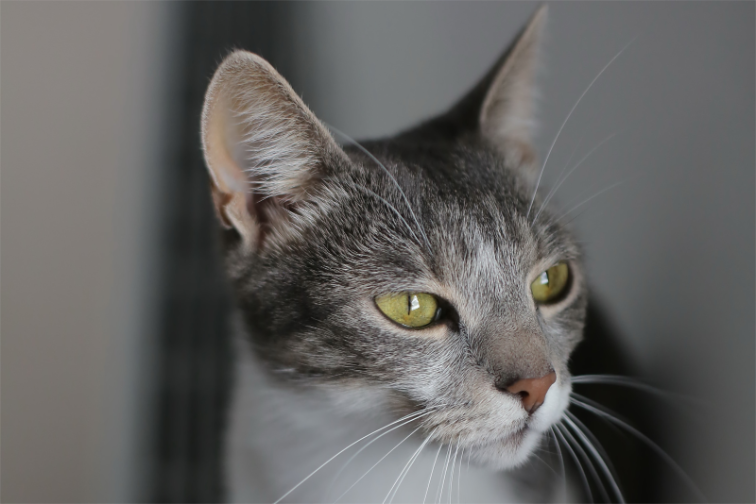
A cat’s ears are in their neutral position when they are facing forward and relaxed. When your cat’s ears are in this neutral position, this indicates your cat is feline relaxed and content. This is generally when your cat will be most receptive to snuggles or getting picked up.
When a cat’s ears are facing forward and also perked up, it means the cat is paying attention to something. Often, it’s a new sight, sound, or smell in the environment that’s caught your kitty’s interest. So next time you bring out the treat bag or a new toy, check for perked ears — they signal that your cat is interested in whatever is going on.
5. Ears Flattened or Sideways
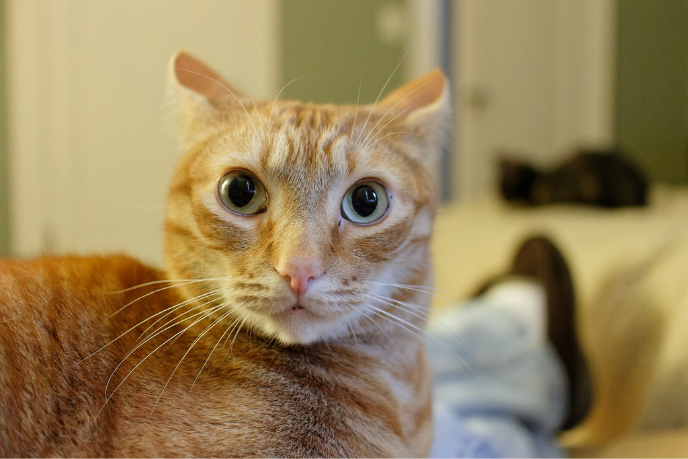
When a cat’s ears are pinned back against their head or turned sideways, it usually means they’re feeling anxious, threatened, or annoyed. This defensive posture is a warning that your cat may be stressed or uncomfortable with a situation, and it’s best to give them some space. Paying attention to ear positions can help you understand your cat’s mood and prevent potential conflicts before they escalate.
6. Flicking or Thumping their Tail
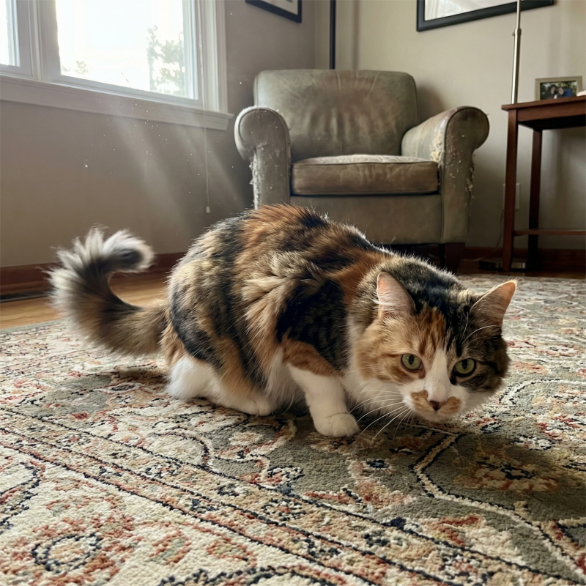
When a cat is flicking or thumping their tail, it can mean irritation or overstimulation but, in some situations, it might show focus. If the ears are forward and the eyes are dilated, this means the cat is alert and focuses on what’s going on around them. If the ears are pinned to their head and the tail is flicking, this shows aggression. Many of these behaviors work with others to reveal what a cat is feeling by looking at other bodily behaviors we can understand what our furry companion is trying to convey to us.
7. Belly Exposed
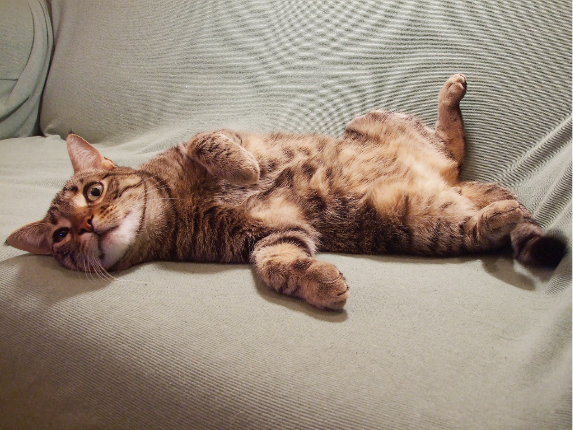
When a cat rolls over and exposes their belly, it can be a bit tricky to interpret. Often, this is a sign that your cat feels safe and trusts you, as the belly is a vulnerable area. However, it doesn’t always mean they want a belly rub some cats may react defensively if touched there. Pay attention to their overall body language and approach slowly, letting your cat guide the interaction.
8. Kneading (Making “Biscuits”)
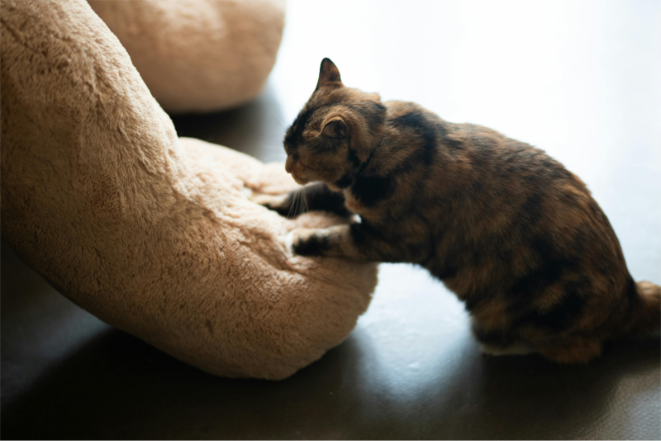
When your cat pushes their paws in and out against a soft surface, it’s called kneading, or making “biscuits.” This behavior often originates from kittenhood, when they kneaded their mother’s belly to stimulate milk flow. In adult cats, kneading is a comforting action that shows contentment, relaxation, and sometimes affection toward you. If your cat kneads on your lap, consider it a compliment; they feel safe and happy in your presence.
9. Dilated Pupils
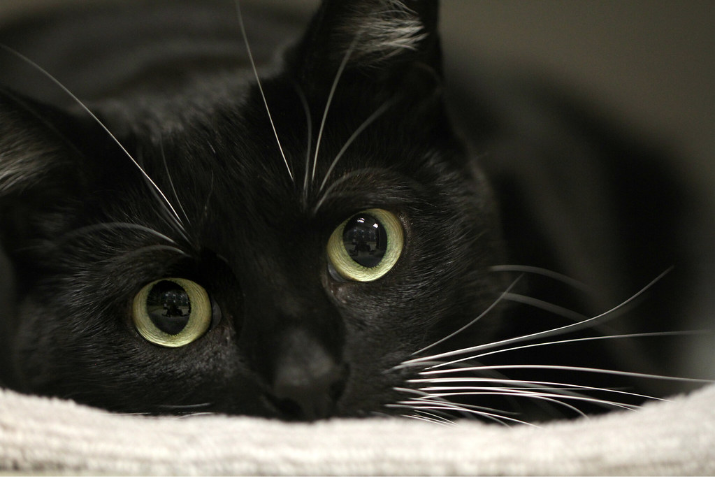
Dilated pupils can mean a range of different things, so the position of the body, fur, tail and ears all matter. When a cat’s eyes dilate, they try to absorb as much light or information as possible. This also occurs in humans, when it is dark your eyes dilate to soak up as much light as you can see. The ears and tail can mainly tell you if their cat is afraid or playful when their eyes are dilated. If their ears are forward and tail is flicking there are in a playful mood, if their ears are back or pinned to their head, they are either stressed or afraid. Whichever mood they are showing, dilated pupils are the cat’s way of taking in all the information in a situation so they can best make their next course of action.
10. Tail Wrapped Around You (or Another Cat)
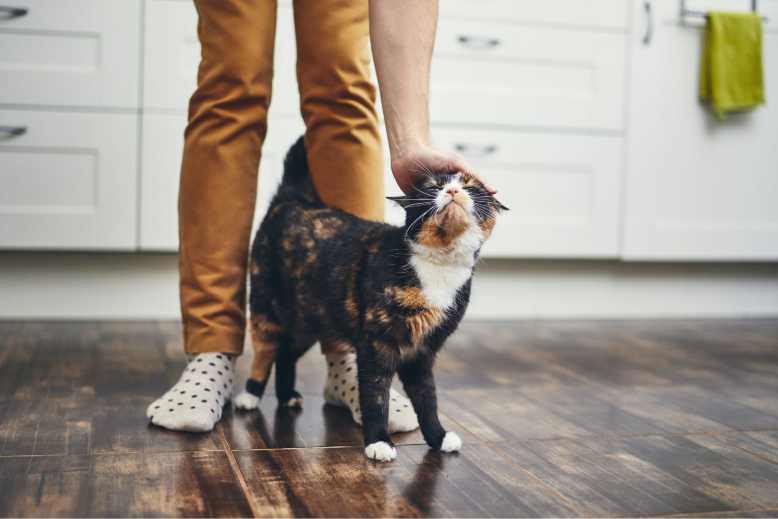
When a cat’s tail is curled around another cat or a person, this cat is showing their affection for you! Their tail will wrap your leg or arm as if to give you a hug. This cat is welcoming you to socialize and further bond. Just because they don’t have the ability to hug doesn’t mean they can’t show it in other ways. However, make sure you pay attention to their ears and eyes. If the ears are pinned or the eyes are dilated, it could mean the cat is likely stressed or nervous. Though most of the time this tail wrapping is considered a happy behavior.
Now you have the infor-meow-tion to unlock the secrets hidden in your cat’s paw-sture. If you’re feline confident, come hang out with some of the rescue cats at Feline Good Café and put your cat behavior knowledge to the test.