By Alexis Balch, Mikayla Dancy, & Teagan Serink
Houseplants can be the purr-fect addition to any home, but it’s important to do your research first. Many common houseplants are toxic to cats and can cause problems if your feline troublemaker decides to try a bite. This guide lists 10 common houseplants that cat-owners should avoid, as well as non-toxic plants you can have instead!
Plant #1 — Lilies (Lilium spp.)
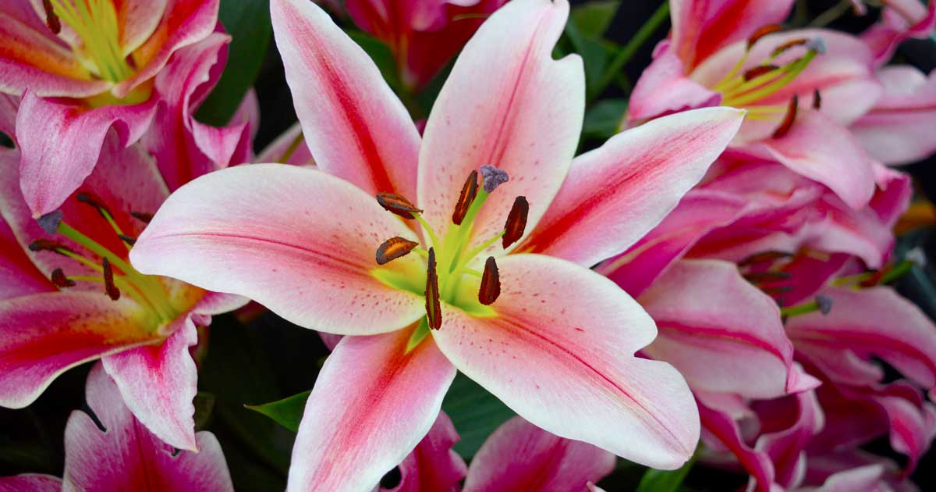
Lilies are extremely toxic to cats—even small doses are known to cause fatal kidney problems in felines. Given how potent their poison can be, it’s imperative to prevent lilies from ending up in the jaws of a curious cat. If your cat ingests any amount of a lily plant, this constitutes a medical emergency, and you should take your kitty to the vet right away.
Interestingly, scientists have yet to identify the exact toxin found in lilies. It can cause an upset stomach in dogs and humans, but not the same kidney issues it causes in cats.
While it may be disheartening to hear that you must avoid lilies at all costs if you own a cat, there are still plenty of cat-safe flowers to choose from, including:
- Roses
- Sunflowers
- Some orchids – not all species have been tested, so be sure to research the specific species you’re looking at before buying
- Snapdragons
Plant #2 — Sago Palm (Cycas revoluta)
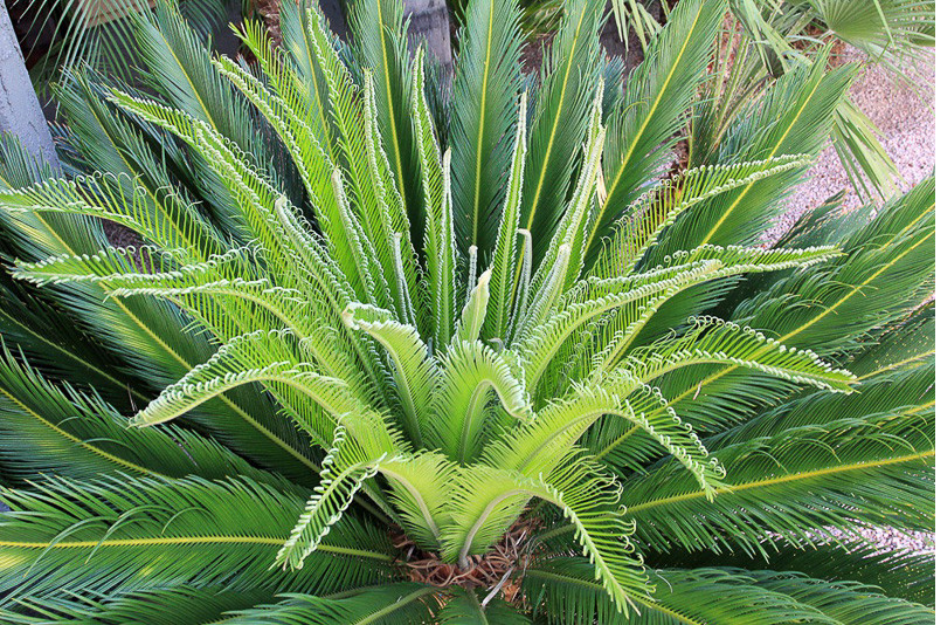
Like the lily, the sago palm can be fatal to your cat if ingested. The most poisonous parts are its seeds, but all parts of this plant are dangerous. Sago palm contains cycasin toxin, which affects your cat’s liver, brain, and blood clotting. Symptoms include drooling, vomiting, diarrhea, and changes to appetite.
If your cat ingests sago palm, go to the emergency room immediately. If left untreated, sago palm poisoning causes fatal liver failure.
Some cat-safe alternatives to sago palm include:
- Parlor palm
- Areca palm
Plant #3 — Pothos (Epipremnum aureum)
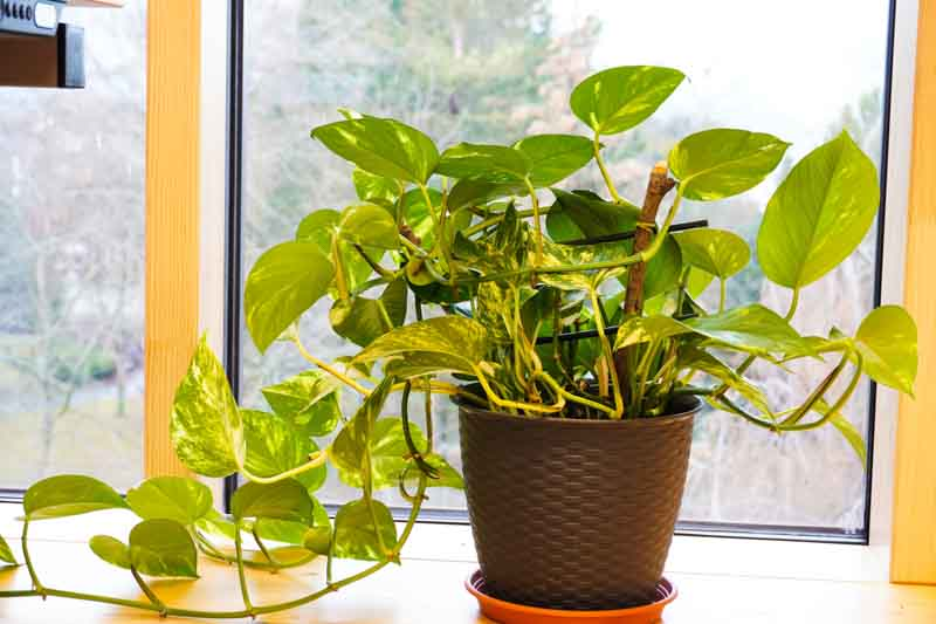
The pothos plant remains one of the most popular houseplants to be potted. Unfortunately, all varieties of this plant are toxic to cats. Pothos plants contains calcium oxalate crystals, which cause burning and irritation if ingested. Symptoms include irritation of the mouth and tongue, excessive drooling, vomiting, and difficulty swallowing.
Vining peperomia is a cat-safe alternative to pothos.
Plant #4 — Snake Plant (Sansevieria trifasciata)
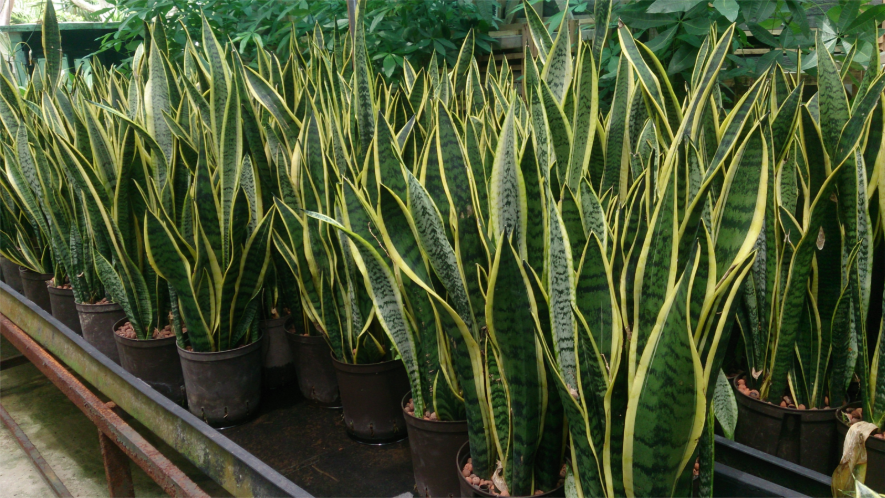
The snake plant (Sansevieria) is a group of approximately 70 species native to African and Asian tropical areas. They have air purifying qualities and easy maintenance; however, despite their good qualities for an indoor plant, what’s good for humans isn’t always good for our furry companions. These plants are toxic to both cats and dogs. It causes inflammation, irritation, and other negative effects when ingested by animals, including humans.
These issues are caused by a chemical known as saponins, secreted by the plant when consumed. If your cat consumes this plant, look for the following symptoms as your cat may need medical attention: Nausea, Vomiting, Swollen throat or mouth, Loss of appetite, Dilated pupils, Depression, Abdominal discomfort or pain, Drooling, Pale gums, and/or Lethargy.
Despite the plant’s toxicity, it’s not lethal for cats, but it’s best to avoid the plant keeping your kitty happy and healthy.
Some cat-safe alternatives to snake plants include:
- Cast Iron Plant
- Parlor Palm
- Spider Plant
- Rattlesnake Plant
Plant #5 — Peace Lily (Spathiphyllum spp.)
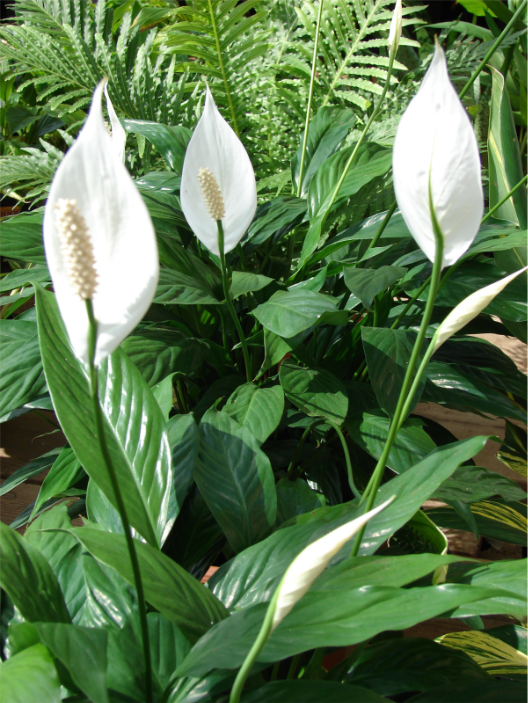
Unlike true lilies, peace lilies do not contain the toxins that cause liver failure in cats. However, peace lilies are high in calcium oxalates, which cause burning and irritation if ingested. Symptoms include irritation of the mouth and tongue, excessive drooling, vomiting, and difficulty swallowing.
Some cat-safe alternatives to peace lilies include:
- Roses
- Sunflowers
- Some orchids – not all species have been tested, so be sure to research the specific species you’re looking at before buying
- Snapdragons
Plant #6 — Dieffenbachia / Dumb Cane (Dieffenbachia spp.)
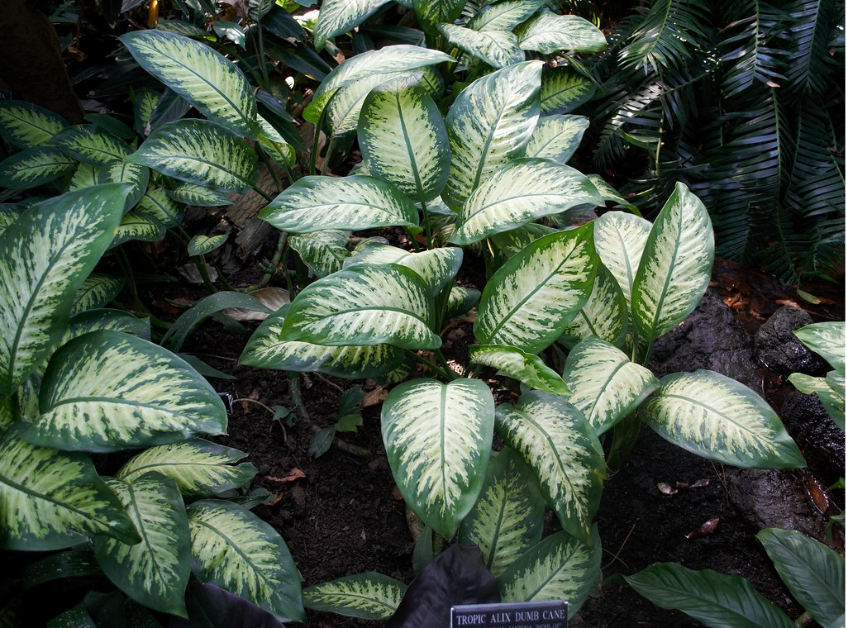
Similarly to the other plants on this list, dieffenbachia plants contain calcium oxalates, which cause burning and irritation if ingested. Symptoms include irritation of the mouth and tongue, excessive drooling, vomiting, and difficulty swallowing.
A cat-friendly alternative to dumb cane is the prayer plant or rattlesnake plant.
Plant #7 — Aloe Vera (Aloe barbadensis miller)
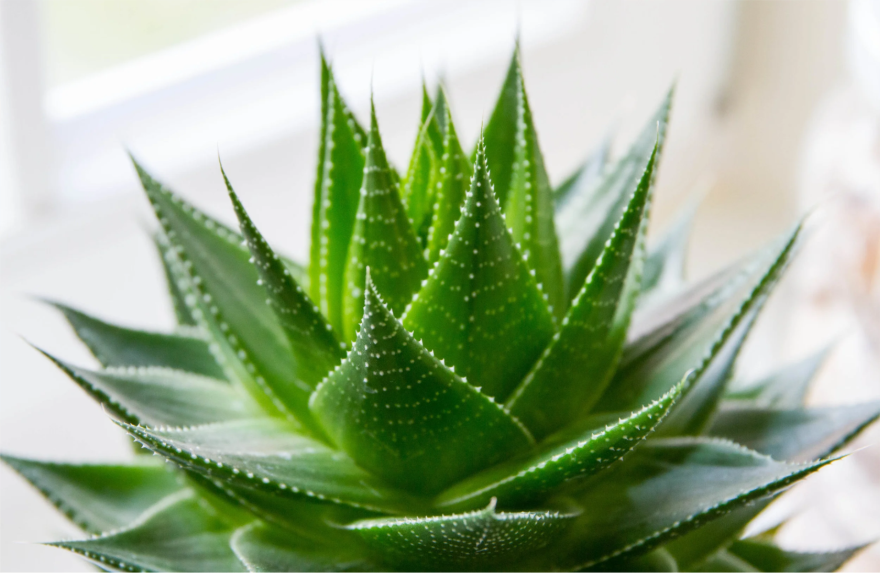
Aloe Vera (Aloe barbadensis miller) are a low maintenance succulent plant found in the Arabian Peninsula but are now a common house plant. These plants are often used for skin wounds, insect bites, and burns, making them good house plants; however, if they are consumed by an animal like a cat, their chemicals (saponins and anthraquinones) in their yellow sap can cause adverse non-lethal effects.
Symptoms: Vomiting, Diarrhea, Lethargy, Depression, and/or changes in urine color.
Even though Aloe Vera is non-lethal to cats, it’s best to avoid this plant as these symptoms can cause severe dehydration, which can lead to death.
Some cat-safe alternatives include:
- Haworthia Zebra
- Bromeliads
Plant #8 — Philodendron (Philodendron spp.)
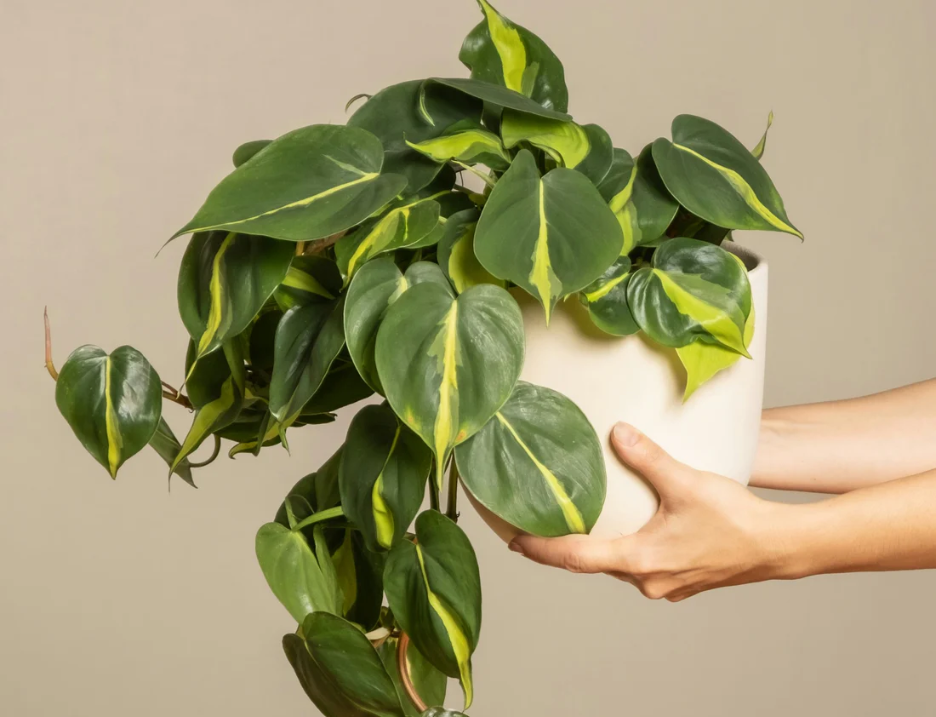
Philodendron is another plant that contains calcium oxalate crystals, which causes burning and irritation if ingested. Symptoms include irritation of the mouth and tongue, excessive drooling, vomiting, and difficulty swallowing.
Cat-safe alternatives to philodendron include:
- Prayer plant/rattlesnake plant
- Vining peperomia
Plant #9 — Kalanchoe (Kalanchoe spp.)
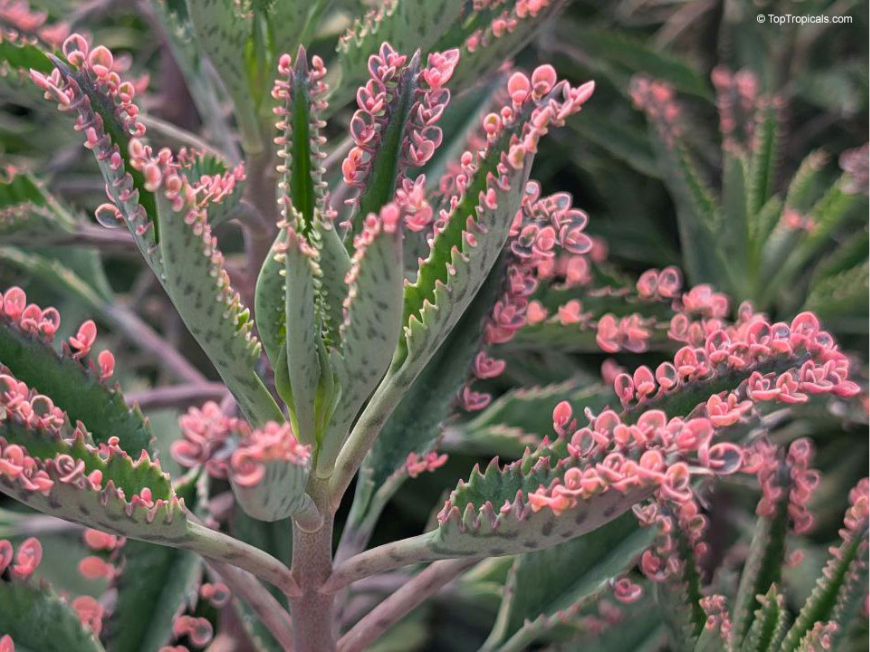
Kalanchoe, a succulent also known as Mother-In-Law-Plant, Devils Backbone, and the Chandelier Plant, is toxic to cats. These plants contain bufodienolides, which can cause vomiting, diarrhea, and (rarely) cardiac issues if your cat ingests it.
Some cat-safe alternatives to kalanchoe include:
- Christmas cactus
- Echeveria succulents
- African violets
Plant #10 — English Ivy (Hedera helix)
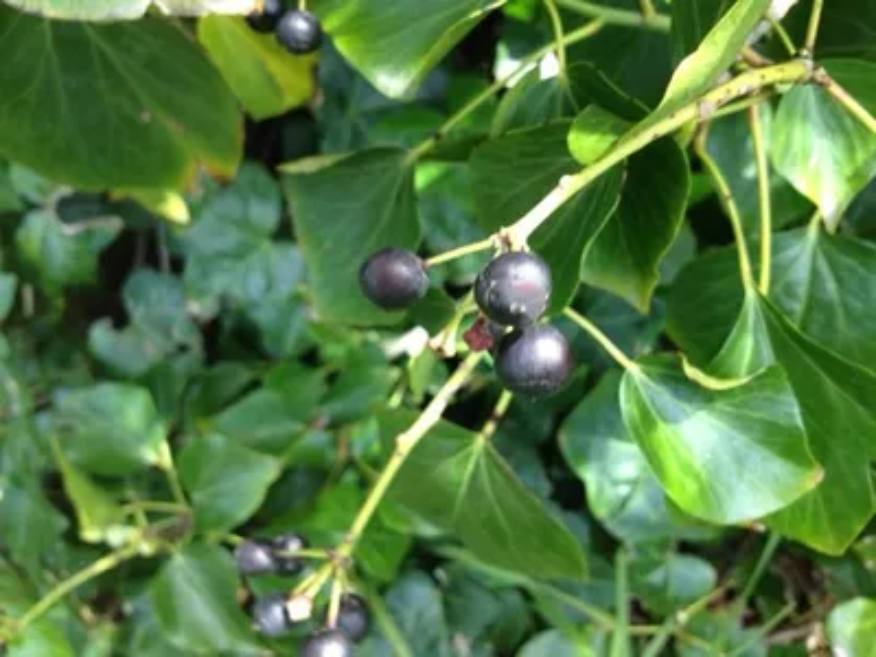
The English Ivy, also known as the King’s Ivy (Hedera helix), are a low maintenance plant native to Europe and western parts of Asia. All parts of this plant are hazardous to ingest, due to the chemical it secretes (triterpenoid saponins). These effects can be severe and lead to a coma or even death in cats, so immediate medical attention is needed if English Ivy is consumed in large amounts.
Symptoms: Vomiting, abdominal pain, hypersalivation, and/or diarrhea.
Despite a lot of ivys being poisonous to cats, not all are. A few safe ones are listed below:
- Swedish Ivy
- Grape Ivy
- Baby’s Tears
What to do if your cat ingests a toxic plant
Sometimes it’s not obvious whether your cat has eaten something that’s toxic to them. Stay on the lookout for warning signs like vomiting, drooling, lethargy, or pawing at the mouth. They might indicate that your cat snuck a bite of your housemate’s plants without your knowledge.
If you suspect your cat has ingested a toxic plant, contact your vet or call the ASPCA Poison Control Phone Number: (888) 426-4435
Conclusion
Whenever you consider buying some fine flora to bring home, make sure to check whether it’s feline-friendly first. Doing your research is a huge step for preventing cat-astrophes, so both you and your kitty can enjoy peace of mind and a hazard-free home.